


The Best Insulated Garage Door Options for Your Home
Selecting an appropriate insulated garage door is essential for homeowners seeking improved thermal performance and interior comfort. Insulated doors stabilise interior temperature, reduce energy consumption, and can increase property value. This guide examines insulation types, associated benefits, R‑value significance, material impacts on thermal performance, and installation considerations. Upon review, homeowners will possess a clear understanding of insulated garage door options and their practical advantages.
What Are the Key Types of Garage Door Insulation and Their Benefits?
Garage door insulation is available in multiple forms, each providing distinct benefits for thermal efficiency and occupant comfort. The most common options are polyurethane foam, polystyrene, and foam board. Each material exhibits specific properties that influence overall door performance.
How Does Polyurethane Foam Insulation Enhance Energy Efficiency?
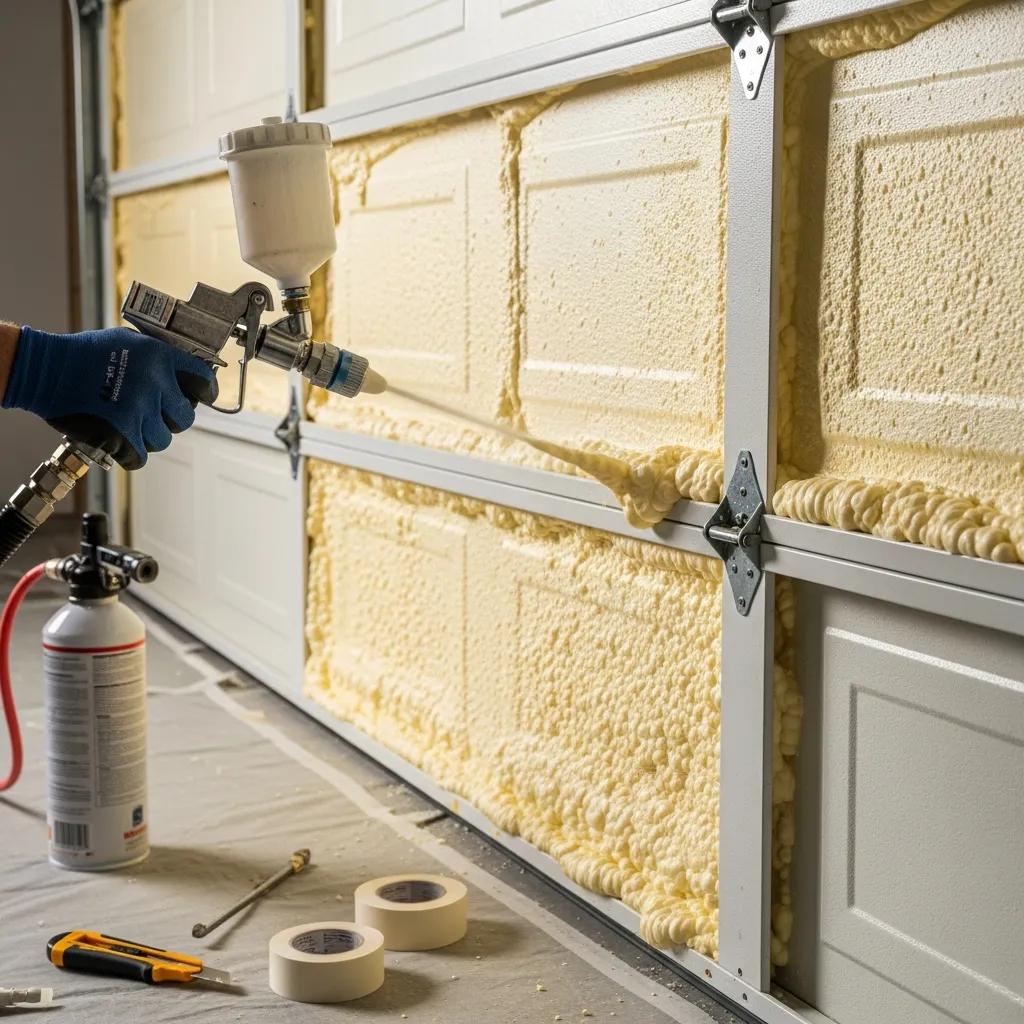
Polyurethane foam is characterised by a high R‑value, which denotes strong resistance to heat transfer. It reduces heat gain in warm periods and limits heat loss in cold periods, thereby lowering heating and cooling energy demand. In addition, polyurethane provides effective acoustic attenuation, which can be advantageous in noisy environments.
What Are the Advantages of Polystyrene and Foam Board Insulation?
Polystyrene and foam board insulation are cost‑effective solutions that provide reliable thermal resistance. Polystyrene is lightweight and straightforward to install. Foam board insulation, commonly extruded polystyrene (XPS), offers enhanced durability and moisture resistance, which is beneficial in humid climates. Both types contribute to improved energy efficiency and reduced interior noise levels.
How Do Garage Door Materials Affect Insulation Performance and Durability?
Door construction material substantially influences thermal performance and long‑term durability. Common materials—steel, wood, and aluminium—each present characteristics that affect insulation effectiveness and service life.
What Are the Energy Efficiency Characteristics of Steel, Wood, and Aluminum Doors?
Steel doors deliver structural strength and often include insulation sandwiched between panels, improving thermal performance and security. Wood doors provide inherent insulating properties and aesthetic value but require greater maintenance to prevent warping and decay. Aluminium doors are lightweight and corrosion‑resistant yet typically offer lower thermal resistance than comparable steel or wood doors. Assessing these characteristics enables informed selection based on specific requirements.
How Do Material Choices Impact Maintenance and Longevity?
Material selection dictates maintenance obligations and longevity. Steel doors generally require minimal upkeep; wood doors demand regular painting or sealing to protect against environmental degradation; aluminium doors are low‑maintenance but can be susceptible to dents. Prospective purchasers should evaluate maintenance commitment, as it affects operational lifespan and performance.
What Is the Importance of R-Value in Comparing Insulated Garage Doors?
R‑value is a primary metric for assessing a door’s thermal resistance. Higher R‑values indicate superior resistance to heat flow and generally correlate with improved energy performance. Understanding R‑value assists homeowners in selecting doors that deliver measurable energy savings.
How to Interpret Garage Door R-Value Ratings for Optimal Energy Savings?
Compare manufacturer‑provided R‑value ratings when evaluating doors. A higher R‑value yields better insulation and reduced energy costs. For example, doors with R‑values of 10 or greater are commonly regarded as energy‑efficient. Consider local climate conditions when determining the appropriate R‑value for a given installation.
What Are Typical R-Value Ranges for Different Insulation Types?
Typical R‑value ranges depend on insulation type and thickness. Polyurethane foam typically provides approximately R‑6 to R‑7 per inch, with total door ratings often between 12 and 20 depending on overall construction. Polystyrene commonly yields R‑3.6 to R‑4.6 per inch, producing total door R‑values in the range of about 6 to 10. Foam board values are comparable and vary with board specification and thickness. These metrics inform selection aligned to energy efficiency objectives.
Evaluating Garage Door Materials for Insulation and Durability
Correct installation and routine maintenance are necessary to realise the full benefits of insulated garage doors. Homeowners should consider professional installation to ensure optimal performance and warranty compliance.
How Does Professional Installation Affect Door Performance and Warranty?
Professional installation materially affects insulated door performance. Certified installers ensure proper sealing, alignment, and component adjustment, which enhances insulation effectiveness. Moreover, many manufacturers require professional installation as a condition of warranty coverage.
What Are Recommended Maintenance Practices to Preserve Insulation Efficiency?
Preserve insulation efficiency through scheduled inspections for wear and degradation, including evaluation of seals, weatherstripping, and insulation integrity. Clean exterior surfaces and lubricate moving components as recommended, and address damaged insulation or misalignment promptly to maintain performance.
How Do Insulated Garage Doors Provide Cost Savings and Value Over Time?
Investment in insulated garage doors can reduce operational energy costs and contribute to increased property value. Improved thermal control enhances occupant comfort and supports long‑term economic benefits.
What Are the Energy Savings and Environmental Benefits of Insulated Doors?
Insulated garage doors decrease heating and cooling demand, resulting in lower energy consumption and reduced utility expenditures. By improving building envelope performance, these doors may reduce associated greenhouse gas emissions and contribute to a lower carbon footprint.
How to Evaluate Pricing and Warranty Options for Different Garage Door Models?
When evaluating options, consider total cost, material selection, insulation type, and warranty provisions. Prices vary by construction and insulation. Compare warranty length and coverage, as extended terms often reflect higher quality. Obtain multiple supplier quotes to verify competitive value for the intended investment.
In conclusion, selecting the appropriate insulated garage door requires a clear understanding of insulation types, materials, and their respective benefits. By assessing R‑value, installation, and maintenance requirements, homeowners can make informed decisions that enhance energy efficiency and interior comfort. For those looking for high-quality insulated garage door options, Overhead Door Company of the Desert specializes in residential garage door solutions tailored for desert environments, ensuring optimal performance and durability.
Frequently Asked Questions
What factors should I consider when choosing an insulated garage door?
Consider R‑value, material type, and local climate when selecting an insulated garage door. R‑value quantifies insulation effectiveness; higher values improve energy performance. Evaluate durability and maintenance requirements for steel, wood, and aluminium. Also review budget, projected long‑term energy savings, and aesthetic compatibility with the property.
Can I install an insulated garage door myself, or should I hire a professional?
Although some homeowners undertake self‑installation, professional installation is generally recommended. Qualified installers ensure correct alignment and sealing, maximising insulation performance and preserving warranty eligibility. If installation experience is limited, engage a certified installer to reduce the risk of defects.
How do insulated garage doors impact home resale value?
Insulated garage doors can enhance resale value by improving energy efficiency and overall comfort. Prospective buyers frequently value reduced utility costs and improved temperature control. Additionally, quality insulated doors can contribute to curb appeal, supporting a favourable market presentation.
What maintenance is required for insulated garage doors?
Regular inspections are essential to maintain insulated garage doors. Check seals, weatherstripping, and insulation integrity for signs of wear. Clean door surfaces and lubricate moving parts per manufacturer recommendations. Promptly repair damaged insulation or correct misalignment to preserve performance.
Are there any environmental benefits to using insulated garage doors?
Yes. Insulated garage doors reduce heating and cooling demand, lowering household energy consumption and associated greenhouse gas emissions. This decreases the property’s carbon footprint and reduces reliance on mechanical HVAC systems, supporting resource conservation.
What are the common mistakes to avoid when purchasing an insulated garage door?
Common errors include overlooking R‑value, failing to account for local climate conditions, neglecting comparison of materials and pricing, and not reviewing warranty terms. Underestimating the importance of professional installation can also affect performance and warranty validity. Thorough research of these factors supports a satisfactory purchase.
Conclusion
Selecting the appropriate insulated garage door can materially improve energy efficiency, occupant comfort, and property value. Understanding insulation methods, material characteristics, and maintenance obligations enables informed decisions that yield long‑term savings. For those prepared to upgrade, review premium options matched to specific requirements to advance toward a more energy‑efficient home.