

Essential Garage Door Care Guide
Proper garage door care includes regular visual inspections, targeted lubrication, safety checks, and occasional professional tune-ups to keep doors safe and reliable in the Coachella Valley climate. This guide walks homeowners through what to check, how often to act, and which jobs are safe to handle without special tools. You’ll get a simple monthly and annual routine for DIY checks, step‑by‑step cleaning and lubrication tips, clear red flags that require a technician, and climate‑specific measures to reduce heat- and dust-related wear. Well-planned maintenance lowers safety risks, prevents emergency repairs, and extends the life of springs, rollers, tracks, and openers. The article is organized into frequency guidance, homeowner-safe tasks with safety notes, decision rules for calling a pro, and climate-focused countermeasures — each section gives concise actions you can use today. Read on to set up an easy routine that protects your door and helps you schedule professional service when needed.
Ideal Garage Door Maintenance Schedule for Coachella Valley
Maintenance combines routine homeowner checks with at least one professional inspection per year to keep systems safe and performing under local conditions. Do a monthly visual sweep to spot things like frayed cables or debris in tracks. Perform lubrication and sensor tests every 3–6 months to keep moving parts smooth. An annual professional inspection covers high‑tension components and diagnostic checks that are unsafe for most homeowners. Following this schedule improves safety and prolongs component life in a desert environment where heat and sand accelerate wear. Regular checks also make gradual problems easier to catch before they become expensive failures — which is why annual professional tune‑ups are recommended in addition to DIY care.
- Safety: Annual inspections spot worn springs, frayed cables, and sensor faults before they become hazards.
- Lifespan: Regular lubrication and adjustments reduce abrasive wear from sand and heat, helping parts last longer.
- Reliability: Planned maintenance cuts the risk of sudden failures and costly emergency repairs.
This recommended cadence leads into what an annual inspection covers and why technicians target specific components.
Why Is an Annual Garage Door Inspection Recommended?
An annual inspection is a thorough, safety‑first review that finds wear, alignment problems, and potential failure points before they turn into emergencies. Technicians evaluate springs, cables, rollers, tracks, weather seals, and safety sensors, and they test opener electronics and the emergency release for dependable operation. This method follows industry best practices and focuses on parts most affected by Coachella Valley heat and dust. Pairing an annual inspection with monthly homeowner checks creates a reliable maintenance rhythm that keeps your door operating smoothly year‑round.
For homeowners who prefer professional service, Overhead Door Company of The Desert™ recommends at least one certified inspection each year and offers preventative maintenance programs. Our factory‑trained, IDEA Certified technicians perform comprehensive tune‑ups and documented safety testing so high‑tension tasks are handled correctly and you can plan maintenance instead of reacting to failures.
What Are the Key DIY Garage Door Maintenance Tips for Homeowners?

Homeowner tasks focus on visual inspection, basic cleaning, lubricating accessible moving parts, and simple safety tests that don’t involve adjusting springs or cables. Start with a visual sweep of rollers, tracks, cables, weather stripping, and the opener; look for debris, rust, misalignment, and fraying. Test safety sensors monthly and check the manual release to ensure the emergency mechanism works — do not touch springs or attempt tension adjustments. These straightforward steps reduce wear and give clear signs of when a pro should take over.
Common homeowner checklist — explained:
- Inspect rollers and tracks for debris and alignment problems; remove grit and dust with a soft brush.
- Lubricate rollers, hinges, and the opener rail with a silicone‑based lubricant every 3–6 months.
- Test safety sensors and the auto‑reverse function monthly to confirm proper operation.
After this checklist you’ll know which jobs you can safely handle and which ones require a technician, helping you make safer repair decisions.
Intro to the maintenance tasks table: The table below summarizes homeowner‑safe tasks by component, the recommended action, and frequency or tool guidance so your DIY work stays effective and safe.
| Component | Maintenance Action | Frequency / Tool / Safety Note |
|---|---|---|
| Rollers | Clean and lubricate | Every 3–6 months; silicone spray; do not disassemble |
| Tracks | Remove debris and wipe | Monthly; soft brush and damp cloth; do not hammer into alignment |
| Weather stripping | Inspect and replace if cracked | Annually; low‑cost replacements; prevents dust & heat gain |
Summary: These homeowner steps prevent common failures and make it easier to recognize when a professional tune‑up is needed for higher‑risk components.
How to Lubricate and Clean Garage Door Components Safely
Choose a silicone‑based lubricant for rollers, hinges, and the opener rail — it holds up better in high heat and sheds dust more effectively than petroleum greases. Avoid putting lubricant directly in the track, where buildup can attract grit. Clean tracks with a soft brush and wipe sensors gently with a lint‑free cloth to preserve alignment and sensor reliability. Apply lubricant sparingly to moving metal‑on‑metal points, then run the door through a full cycle to distribute it. Always disconnect power before working near the opener. Never attempt spring or cable adjustments — those are high‑tension components that should only be handled by certified technicians.
Recommended products and steps give homeowners a safe starting point and make it easier to spot issues that need professional attention.
| Task | Recommended Product | Safety Tip |
|---|---|---|
| Roller lubrication | Silicone‑based spray | Apply sparingly; operate door to distribute |
| Track cleaning | Soft brush & damp cloth | Do not use solvents; avoid bending tracks |
| Sensor cleaning | Lint‑free cloth | Ensure alignment after cleaning |
Summary: The right products and modest application keep moving parts running smoothly and prevent abrasive buildup from excess lubricant. Check out our products overview for more information.
When Should You Call a Professional for a Garage Door Tune‑Up in Palm Springs?
Call a professional when you see mechanical failure signs, hear unusual noises, spot visible spring damage, notice frayed cables, or the door runs unevenly or off‑track — these are safety risks if handled incorrectly. A professional tune‑up covers high‑tension spring adjustment, cable replacement, precise track realignment, and opener diagnostics — work that requires factory training and IDEA certification. Emergency service is needed for broken springs or cables, failed sensing systems, or doors that won’t operate electrically or manually; getting professional help quickly reduces the chance of injury and further damage. Recognizing these red flags helps you move from routine DIY care to trusted professional repair without delay.
Common symptoms and what to do:
- Loud snapping or grinding: Contact a professional immediately — possible broken spring or failing hardware.
- Door hangs unevenly or comes off track: Do not operate; call for service to avoid extra damage.
- Frayed cables or loose fasteners: Schedule a tune‑up to resolve safety concerns before they fail.
Intro to decision table: The table below maps common indicators to homeowner responses so you can quickly decide when to call a pro.
| Component | Issue Indicator | Recommended Action |
|---|---|---|
| Spring | Visible gap or broken coil | Call professional immediately |
| Cable | Fraying or slack | Do not operate; schedule repair |
| Opener | Inconsistent operation or no power | Check power first; if persistent, call pro |
Summary: This quick reference helps you prioritize safety and sets realistic expectations for professional repairs.
What Does a Professional Garage Door Tune‑Up Include?
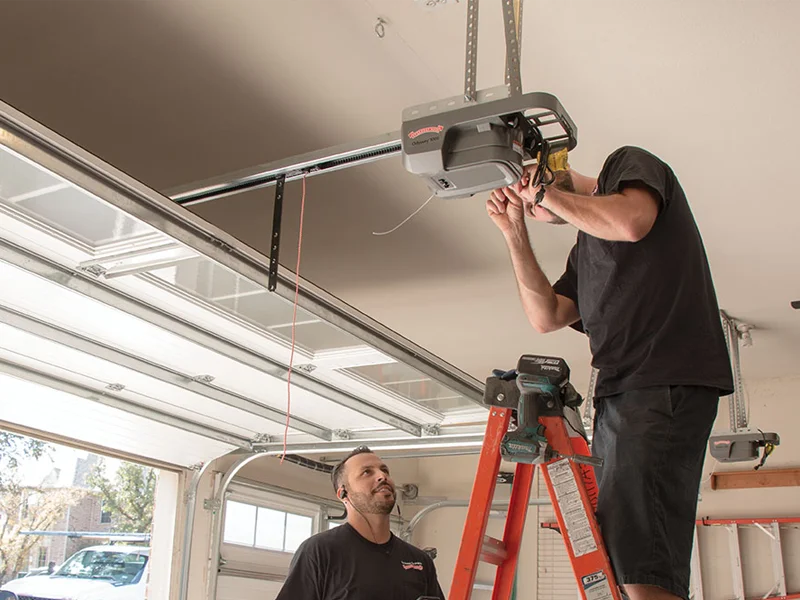
A professional tune‑up includes a full system inspection, lubrication of factory‑specified points, hardware tightening and adjustment, safety sensor alignment and testing, opener diagnostics, and a written report of recommended repairs. Technicians check springs, cables, rollers, tracks, and weather seals, measuring tension and wear against safety standards to determine if parts need replacement. By addressing root causes instead of symptoms, technicians restore balanced operation and reduce repeat service calls. Knowing this scope helps you understand what to expect when scheduling a tune‑up and why professional service is the safest option for high‑tension repairs.
For Coachella Valley homeowners, Overhead Door Company of The Desert™ offers maintenance plans and emergency service performed by factory‑trained, IDEA Certified technicians. Request a quote or schedule service to set up an annual tune‑up or emergency repair with local experts. Our approach follows established safety practices and complements homeowner maintenance to maximize door life.
How Does Coachella Valley’s Climate Affect Garage Door Care?
Coachella Valley heat, intense UV exposure, and pervasive dust speed up wear on rubber seals, degrade lubricants, and send abrasive particles into rollers and tracks, increasing friction and failure risk. High temperatures thin lubricants and shorten the life of seals and plastics, while fine sand behaves like sandpaper inside moving assemblies if not cleaned out regularly. Understanding these effects explains why more frequent cleaning, heat‑resistant lubricants, and upgraded seals are smart investments in desert conditions. Adapting your maintenance schedule to local stresses helps avoid premature failures and keeps doors running reliably despite harsh weather.
Practical preventative measures:
- Increase cleaning for tracks and rollers to monthly during high‑dust seasons.
- Use heat‑resistant silicone lubricants and inspect seals quarterly for UV damage.
- Consider shade, insulation upgrades, or replacing weatherstripping when cracked.
Intro to climate impact table: The table below links components to common climate impacts and concrete preventative steps you can take now.
| Component | Climate Impact | Preventative Measure |
|---|---|---|
| Weather seal | UV degradation & cracking | Inspect quarterly; replace with UV‑resistant seals |
| Lubricant | Thins in heat and attracts dust | Use silicone‑based, heat‑resistant lubricants |
| Rollers & tracks | Sand abrasion | Clean monthly; install threshold seals |
Summary: These targeted steps address the root causes of desert‑accelerated wear and help you prioritize maintenance that delivers the biggest benefit.
What Preventative Measures Protect Garage Doors from Heat and Dust?
Focus on simple, cost‑effective actions: clean tracks and rollers monthly during windy seasons, switch to silicone‑based lubricants that tolerate higher temperatures, and inspect or replace weather stripping to keep sand out and reduce heat transfer. For extra protection, install insulated doors or add shade structures where feasible to lower internal temperatures and reduce stress on openers and seals. Regular maintenance and small upgrades deliver outsized benefits by slowing deterioration and cutting the need for emergency repairs in harsh local conditions.
These preventative practices complete the maintenance loop — homeowner routines, professional tune‑ups, and climate‑adapted safeguards work together to keep garage doors safe and dependable in Coachella Valley. Request a quote or schedule service with Overhead Door Company of The Desert™ to arrange an annual tune‑up or enroll in a preventative maintenance program tailored to our local climate.
Frequently Asked Questions — Quick Answers
What are the signs that my garage door needs immediate professional attention?
Immediate professional attention is required for loud grinding or snapping noises (possible broken springs or failing hardware), a door that hangs unevenly or is off‑track, visible frayed cables, or loose fasteners. These conditions are safety risks and should be addressed promptly by a technician to prevent injury or further damage.
How can I improve the lifespan of my garage door in extreme weather?
To extend your door’s life in extreme weather, use heat‑resistant silicone lubricants, inspect weather stripping for UV damage, and increase cleaning frequency for tracks and rollers during dusty seasons. Installing insulated doors or shade structures helps regulate temperature and reduces stress on components. These proactive steps significantly reduce climate‑related wear.
Are there specific products recommended for garage door maintenance?
Silicone‑based lubricants are the top recommendation — they resist high heat and shed dust better than petroleum‑based greases. For cleaning, use a soft brush and damp cloth to avoid damage to tracks and sensors. Always choose products compatible with your door’s materials and replace worn parts with quality components to maintain reliable performance.
What should I do if my garage door opener is not responding?
If the opener won’t respond, first check power to the unit and the remote batteries. Inspect the safety sensors for obstructions or misalignment. If basic checks don’t restore operation, the issue may need professional diagnostics. Avoid attempting repairs on springs or cables — they require specialized training.
How can I ensure the safety of my garage door's automatic features?
Test safety sensors and the auto‑reverse mechanism monthly to confirm they work correctly. Keep sensors clean and aligned, and clear any obstructions. If you notice inconsistent behavior, contact a professional to diagnose opener or sensor faults and ensure safe operation for everyone.
What are the benefits of enrolling in a preventative maintenance program?
Preventative maintenance programs provide scheduled inspections and tune‑ups by certified technicians, catching problems before they become costly repairs. They keep components functioning optimally, improve overall safety and reliability, and give homeowners peace of mind knowing maintenance is handled to industry standards and adjusted for local climate challenges.
Final Thoughts
Regular garage door maintenance is essential for safety, reliability, and longevity — especially in the demanding Coachella Valley climate. Follow a simple routine of monthly DIY checks and annual professional inspections to prevent costly repairs and improve performance. These practices protect your investment and keep your door operating smoothly year‑round. For expert help, consider a preventative maintenance program with Overhead Door Company of The Desert™ — we’ll help you keep your door safe and dependable.