

Trusted local garage door installation in the Coachella Valley
A professional garage door installation gives you safe, reliable operation, a proper fit, and compliance with local codes—whether you’re upgrading a home or outfitting a business in the Coachella Valley. This guide explains why hiring a qualified installer matters, compares residential and commercial doors that perform well in desert climates, and walks you through the installation timeline from the initial consult to the final inspection. Poor installations often lead to noisy operation, early part failure, and energy loss; using a trained team reduces those risks and protects your investment. Read on to learn what to expect at a consultation, how to preview options before you commit, and which cost and warranty details affect long‑term value. We also cover local considerations—insulation needs, HOA styling, and smart-opener integration—and practical next steps to get an accurate quote.
To make decisions easier, this article uses quick lists and comparison tables that clarify tradeoffs when choosing materials, insulation, and opener features. The short list below highlights the main topics and immediate benefits covered in the sections that follow.
- Clear benefits of professional installation.
- Residential and commercial door options suited for desert conditions.
- Step‑by‑step installation expectations, visualization tools, and cost factors.
These points steer you toward practical choices and help you evaluate proposals from qualified installers with confidence.
Why choose professional garage door installation in the Coachella Valley?
Professional garagae door installation gets alignment, spring calibration, and opener setup right the first time—keeping your family safe, reducing repeat repairs, and protecting warranties. Certified technicians follow manufacturer specs and local building codes, which lowers liability and extends service life. Here in the Coachella Valley, installers also factor in heat exposure and dust when recommending insulation, finishes, and seals so components last longer. The following section highlights the local credibility and technician qualifications that deliver those outcomes.
What makes Overhead Door Company of The Desert™ a trusted installer?
Overhead Door Company of The Desert™ blends local knowledge with factory partnerships and trained technicians to deliver dependable installations and service. We’re a family‑owned business and a Red Ribbon Distributor for Overhead Door™ products, which gives us access to a wide product selection and replacement parts. We offer emergency support and maintenance plans to handle urgent failures and extend door life. To request service or a personalized quote, call Overhead Door Company of The Desert™ at (760) 938-9477.
How do IDEA Certified technicians ensure quality and safety?
IDEA Certified technicians use industry best practices for spring handling, cable routing, track adjustment, and opener configuration to reduce risk of injury and equipment damage. Certification means formal training on tensioned components, sensor alignment, and safe testing procedures—so you’re less likely to need repeat service. After every install our techs run a documented inspection to verify balance, reversal tests, and control settings. Those checks create predictable performance and help preserve both manufacturer and installer warranties.
Benefits of Professional Garage Door Installation in the Desert
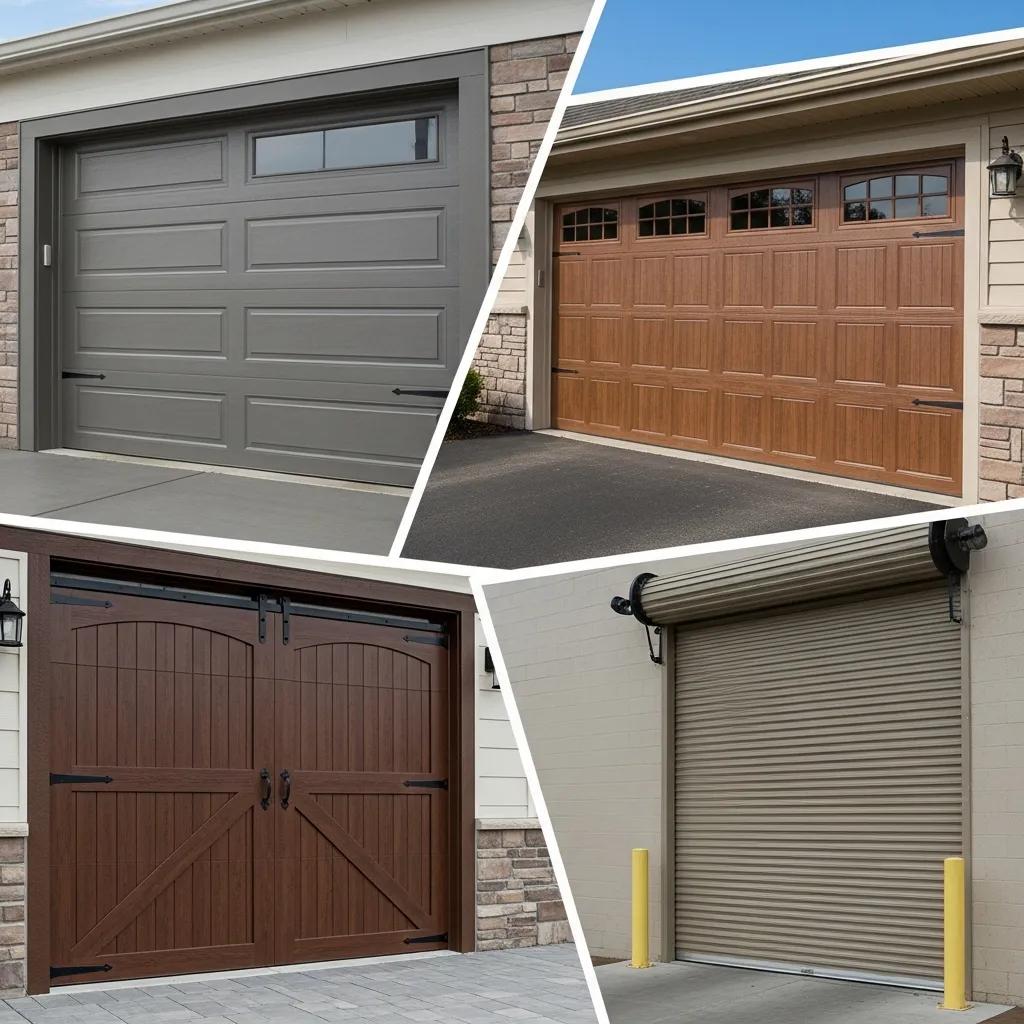
Choosing the right door starts with material and performance goals: curb appeal and insulation for homes, and durability and cycle life for businesses. In desert climates, R‑value and thermal‑break performance influence interior comfort and energy use, while finish and color choices affect curb appeal and HOA compliance. The table below summarizes common door types, their strengths, and the typical use cases to help you decide.
| Door Type | Key Attribute | Typical Use |
|---|---|---|
| Steel sectional | Durable, low maintenance | Most residential and light commercial |
| Insulated Thermacore® | High R‑value for thermal control | Garages that need climate protection |
| Carriage house (composite/wood‑look) | Strong curb appeal with less upkeep | Homes in style‑sensitive neighborhoods |
| Rolling steel | High cycle life, space efficient | Warehouses and loading docks |
That comparison makes the tradeoffs between aesthetics, insulation, and longevity clearer when matching doors to a property.
Your choice of residential finish or material should reflect both style goals and performance needs. The next section describes popular residential styles and tools you can use to preview options.
Which residential garage door styles enhance home curb appeal?
Modern, carriage‑house, and traditional sectional doors each offer distinct looks and material choices to fit local architecture and HOA rules. Modern doors emphasize clean lines and often use glass or aluminum panels for a contemporary feel. Carriage‑house designs recreate historic detail with faux‑wood or composite panels, giving warm curb appeal without heavy maintenance. Traditional raised‑panel steel doors deliver a classic look at a lower cost and pair well with insulated cores for better energy performance.
How does the garage door installation process work?
The installation follows a clear workflow: consult, measure, select products, schedule, install, test, and inspect. A written estimate, timeline, and simple customer checklist reduce surprises and speed decisions. The table below outlines typical steps, who’s involved, and estimated time or customer actions.
| Step | Who is Involved | Time Estimate / Customer Action |
|---|---|---|
| Consultation & measurement | Installer + homeowner | 30–60 minutes; discuss needs and preferences |
| Product selection & quote | Installer + homeowner | 1–3 days to review options and approve |
| Schedule & site prep | Installer + homeowner | 1 day prep; clear the work area |
| Installation & inspection | Installation crew | 3–6 hours typical; final walkthrough |
- The initial consultation identifies door size, insulation goals, and opener options.
- Product selection uses samples and specs to narrow the right choice.
- On installation day the team removes the old door, assembles the new system, tunes it, and completes safety testing.
- The final inspection and homeowner walkthrough confirm operation and basic care steps.
Each step guides you through the process to lower uncertainty. Locally, Overhead Door Company of The Desert™ uses onsite measurement, visualization, and scheduled installation to keep projects on track and offers DoorDreamer™ as a design aid.
What are the steps from consultation to final inspection?
Jobs typically begin with a free estimate and measurement, followed by a written proposal listing door type, insulation, opener model, and lead time. After you approve the proposal, the crew schedules installation and provides a prep checklist for access and vehicle clearance. On installation day technicians remove the old door, fit the new system, balance springs, set safety sensors, and program the opener. The job ends with a joint walkthrough to test auto‑reverse, remotes, and overall function before you sign off.
How does the DoorDreamer™ tool help visualize your new garage door?
DoorDreamer™ lets homeowners preview styles, colors, and panel layouts on a photo of their own home so you can make decisions with confidence. Visual simulations speed approvals and help match HOA palettes or neighborhood aesthetics before ordering. Using the tool during consultation shortens the decision timeline and reduces change orders after installation. Homeowners who preview options usually feel more certain about finish and hardware choices.
What should you know about garage door installation costs and warranties?
Cost depends on door material, size, insulation, opener choice, and installation complexity; permits or HOA requirements can also affect pricing. Clear quotes separate the door, labor, opener, and any permit or hardware fees so you can compare options. Warranties typically include manufacturer coverage for panels and springs and installer‑backed guarantees or maintenance plans. The table below shows typical cost/coverage examples to help with budgeting.
| Item | Attribute | Typical Cost / Coverage |
|---|---|---|
| Standard steel door | Single‑layer, no insulation | Lower cost; basic manufacturer warranty |
| Insulated sectional | Higher R‑value | Mid‑range cost; extended panel warranty |
| Garage door opener | Smart/Wi‑Fi models | Additional cost; 1–5 year parts warranty |
| Installation labor | Removal + install + tuning | Varies by complexity; installer warranty on workmanship |
- Major cost drivers: door material, insulation level, opener features, and installation difficulty.
- Energy savings, lower maintenance, and longer service life often justify higher upfront cost for insulated or premium doors.
- Always compare written warranty terms from both manufacturer and installer before signing a contract.
How much does new garage door installation typically cost in Palm Springs?
Local price ranges vary, but most differences come down to door size, material, and insulation. Simple single‑layer steel doors are at the lower end; insulated Thermacore® panels and carriage‑style composites raise material and installation costs. Opener upgrades and smart integrations add to the total but improve convenience and safety. For an accurate, itemized estimate tailored to your property, call Overhead Door Company of The Desert™ at (760) 938-9477 to schedule a consultation and quote.
What warranty and maintenance services are available for installed doors?
Warranties usually split between manufacturer coverage for panels and springs and installer guarantees for workmanship and adjustments. Maintenance plans offer scheduled checks, lubrication, and safety tests to prevent failures and keep warranties valid. Many providers also offer emergency support to handle sudden failures and restore secure operation. Overhead Door Company of The Desert™ offers warranty and maintenance options, including emergency support and post‑installation service plans; call (760) 938-9477 to learn about packages and register coverage.
Frequently Asked Questions
What are the benefits of insulated garage doors in desert climates?
In desert climates like the Coachella Valley, insulated doors help stabilize garage temperatures and reduce the load on cooling systems, which lowers energy use. They also cut exterior noise and reduce thermal expansion and contraction that can wear parts prematurely—helping your door and its components last longer.
How can I choose the right garage door opener for my needs?
Pick an opener based on door weight, size, and how often you use it. Chain drives are economical, belt drives are quieter, and screw drives offer a balance of speed and maintenance. If you want remote access or home automation integration, choose a smart/Wi‑Fi model. Your installer can recommend the best match for your door and usage pattern.
What maintenance is required for garage doors after installation?
Routine maintenance keeps doors working well: lubricate moving parts, check balance and tension, inspect springs and cables for wear, and test safety features like the auto‑reverse. Keep tracks clean and sensors unobstructed. An annual professional inspection catches issues early and helps extend the door’s service life.
Are there specific HOA regulations to consider when installing a garage door?
Yes—many HOAs regulate garage door styles, colors, and materials. Before ordering, review your HOA rules to ensure the chosen design complies. Discuss any restrictions with your installer so you avoid fines or costly revisions after installation.
What should I do if my garage door is making unusual noises?
Unusual noises—grinding, squeaking, or rattling—often point to worn rollers, misaligned tracks, or spring problems. Stop using the door if the sound is severe and call a professional technician to diagnose and repair the issue. Prompt attention prevents larger, more expensive failures.
How long does a typical garage door installation take?
Most installations take about 3–6 hours, depending on the system’s complexity and any removal work. That includes taking out the old door, installing the new one, tuning springs and tracks, and running safety tests. Your installer can give a more exact timeline after the site visit.
What are the signs that I need to replace my garage door?
Look for visible damage—dents, rust, or cracks—that affects security or operation. Difficulty opening or closing, persistent loud noises, or frequent repairs are also signs it may be time to replace the door. Upgrading adds modern safety features and can improve curb appeal and energy performance.
Conclusion
Choosing professional garage door installation in the Coachella Valley delivers safety, longer service life, and compliance with local standards—protecting your property and peace of mind. With a clear understanding of door types, the installation process, and warranty options, you can make informed choices that improve both function and curb appeal. For a personalized quote and expert guidance, contact Overhead Door Company of The Desert™ today and take the first step toward a secure, stylish garage door.