

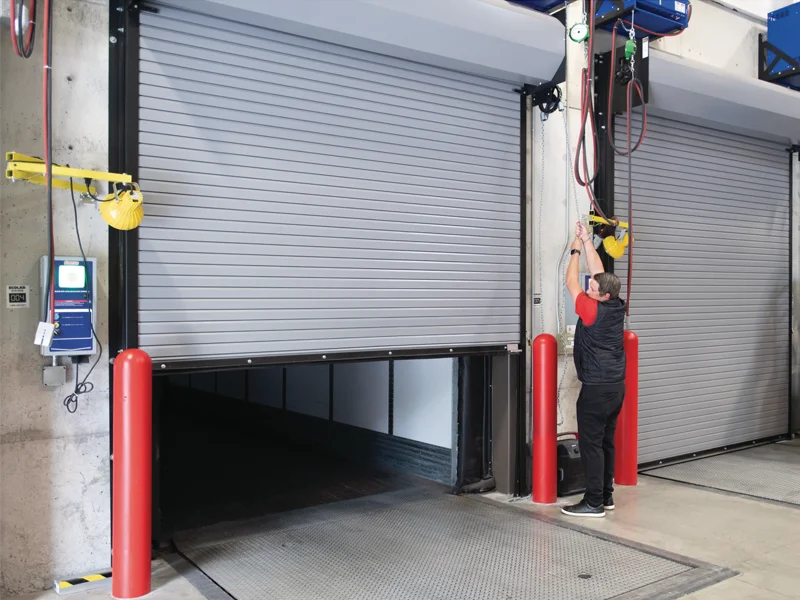
Commercial Garage Door Solutions in Coachella Valley — Expert Installation, Repair, and Maintenance
We cover the full lifecycle of commercial overhead doors across Coachella Valley — from new installs and replacements to retrofits, operators (openers), fire-rated assemblies, insulated systems, and integrated loading-dock equipment. Our solutions work for warehouses, retail centers, farms, and light manufacturing sites and are designed to cut downtime, boost security, and control energy use in a desert climate. Facility managers and building owners will find practical guidance on how different door types perform in heat and dust, which repair and emergency options reduce revenue loss, and which dock components improve safety and logistics. The section lays out installation services, repair benefits and emergency response, technical tradeoffs between door types, and dock equipment options tailored to Coachella Valley operations — plus clear steps to choose and maintain systems that meet OSHA, DASMA, and ANSI expectations while optimizing uptime and cost.
Commercial Garage Door Services in Coachella Valley
Installation services range from ground-up installs to complex retrofits, all sized to match operational needs and code requirements. Installers handle site surveys, structural checks, material specification, and integration of commercial operators so doors move reliably and safely for vehicles and people. A proper installation reduces repeat repairs, improves security and thermal performance, and ensures compliance with local fire and building codes to protect assets and staff. Knowing the scope of work helps owners prioritize durable components and control lifecycle costs while ensuring smooth commissioning and staff training.
Overhead Door Company of The Desert™ offers certified installation services across the Coachella Valley, deploying IDEA Certified technicians and factory-trained teams to install rolling steel and sectional doors, fire-rated assemblies, insulated systems, commercial operators, and dock equipment. We emphasize transparent pricing, documented quality control during installs, and trained technicians to reduce rework and meet performance expectations. As a local, family-operated provider, we can perform site surveys, assist with permits when needed, and deliver systems specified for warehouse, retail, and agricultural uses. Those local capabilities add accountability — but choosing the right door type remains the most important technical decision for long-term facility performance.
Below we summarize the core installation services facility teams commonly request and how those services protect operations after handover. Correct operator selection, safety sensor placement, and commissioning tests ensure installed systems start delivering uptime and security from day one.
How Do IDEA Certified Technicians Ensure Quality Installation?
IDEA Certified technicians follow standardized training that emphasizes accurate measurement, manufacturer-specific assembly, operator setup, and safety-device verification. On a pre-install survey they record opening dimensions, header conditions, and any fire-rating or insulation requirements before ordering parts. During installation they confirm track alignment, torsion spring calibration, photo-eye and safety-edge function, and run commissioning tests that simulate daily cycles under load. Post-install checks include training on manual overrides, operator programming, and a final inspection checklist that documents compliance and lowers the chance of early failures.
These quality-control steps reduce callbacks and improve site safety — and they set the stage for how prompt repairs protect business continuity across commercial operations.
How Can Businesses Benefit from Commercial Garage Door Repair in Coachella?
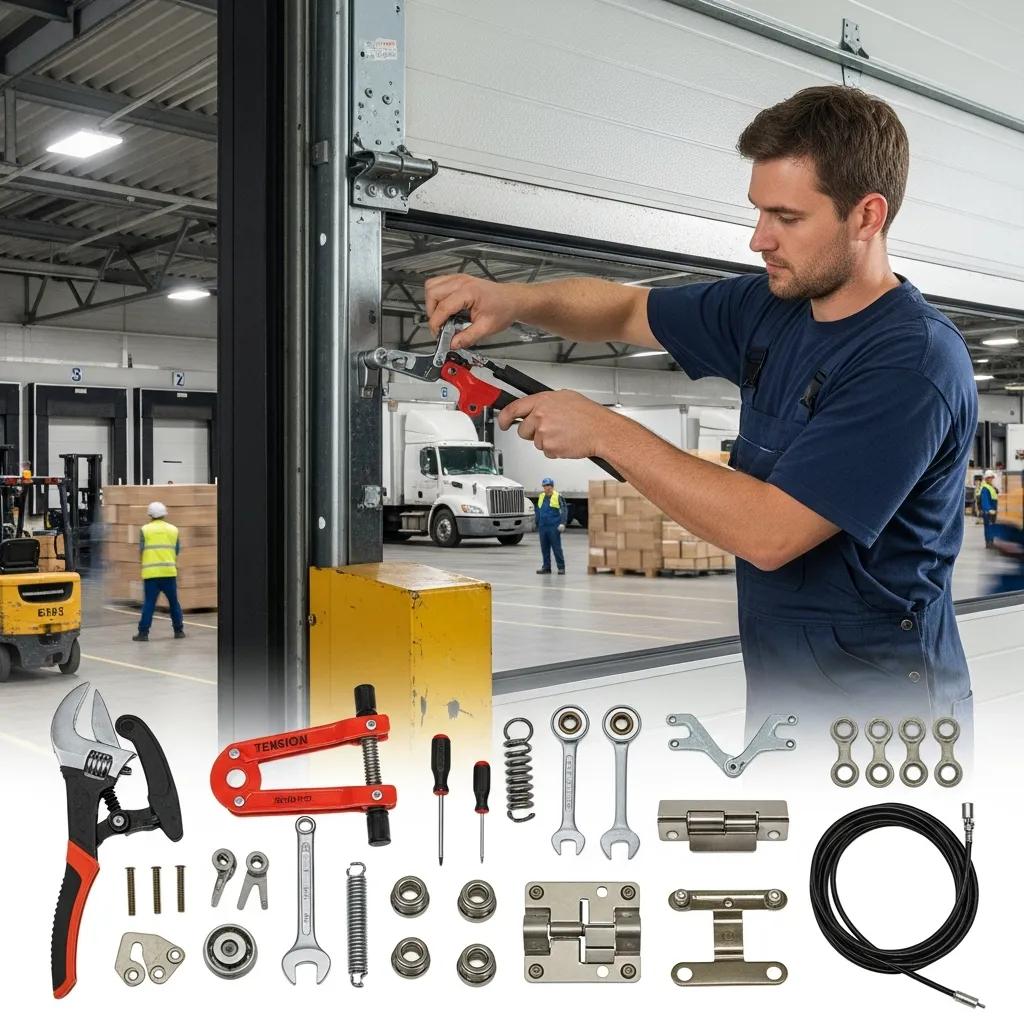
Fast, targeted repairs keep operations moving by restoring security, preventing equipment and product damage, and cutting unplanned downtime for distribution, retail, and industrial sites. Common issues — broken torsion springs, dented panels, misaligned tracks, and operator faults — can stop loading and shipping. Acting quickly also prevents collateral damage to dock equipment and vehicles and helps you stay aligned with safety rules and insurer expectations. A plan that combines emergency response with regular maintenance extends system life and lowers total cost of ownership over multiple service cycles.
Facilities typically see three immediate benefits from a prioritized repair program:
- Reduced Downtime: Rapid repairs get loading operations back online and keep supply chains flowing.
- Improved Safety: Restoring sensors, brakes, and controls lowers the risk of worker injury.
- Cost Avoidance: Fixing small issues early prevents major component failures and costly replacements.
Those advantages make a strong business case for service agreements and emergency planning that prioritize uptime. The table below compares common service levels so managers can pick the right response for their operations.
| Service Type | Typical Response Time | Downtime Impact | Typical Fix |
|---|---|---|---|
| On-site Repair | Same-day to 24 hours | Low to medium | Spring replacement, operator restart |
| Emergency Triage | 1–4 hours (where available) | Very low | Temporary security, door securing |
| Scheduled Repair | 24–72 hours | Medium | Panel replacement, track realignment |
Use these service categories to match your tolerance for downtime and control repair costs while keeping throughput steady.
What Emergency Repair Services Minimize Business Downtime?
Emergency repair focuses on fast triage, temporary securing measures, and prioritized replacement of mission-critical parts so operations keep running. Typical emergency actions include on-site spring or cable swaps, temporary door securing or boarding, operator bypass or replacement, and short-term security fixes until permanent repairs are scheduled. Many providers offer 24/7 emergency response (additional fee); clear pricing lets managers weigh the cost of immediate repair against losses from downtime. Simple contingency steps — cutting power to a failed operator, cordoning the area, and naming a single on-site contact — speed technician access and reduce risk.
Quick emergency fixes buy time for a permanent repair and tie directly into preventive maintenance strategies that reduce future emergencies and protect throughput.
Which Types of Commercial Garage Doors Are Best Suited for Coachella Valley Industries?
Pick a door type based on your operation’s priorities — security, fire protection, insulation, cycle speed, and durability — keeping Coachella Valley’s hot, dry climate in mind. Rolling steel doors are ideal where space is tight and security is the priority. Sectional steel doors deliver better insulation and sealing for climate-controlled spaces. Fire-rated doors meet compartmentation and code requirements in mixed-occupancy buildings. Insulated doors reduce HVAC load in desert temperatures. Aligning door attributes to your operations helps you meet safety, energy, and operational goals without overspending on unneeded features.
Here’s a quick comparison to help with selection based on material, fire rating, insulation, and common uses.
| Door Type | Material | Fire Rating | Insulation | Typical Application |
|---|---|---|---|---|
| Rolling Steel Doors | Steel | No (optional) | Low | Loading bays, security shutters |
| Sectional Steel Doors | Steel panels | Optional | Medium–High | Warehouses, distribution centers |
| Fire-Rated Doors | Steel with tested assemblies | Yes | Varies | Facilities requiring compartmentation |
| Insulated Commercial Doors | Steel with insulated core | No (can be) | High (R-value varies) | Conditioned spaces, adjunct cold storage |
This side-by-side view helps prioritize insulation R-values for energy savings and fire ratings for compliance. When specifying products, work with recognized manufacturers and certified distributors to ensure parts compatibility and easy servicing.
Many buyers prefer established product lines that integrate with tested commercial operators; Overhead Door™ families and certified distributors simplify sourcing and ensure compatible parts and documentation for warranty and service. Choosing a manufacturer-backed solution reduces the risk of mismatched components and streamlines long-term maintenance.
What Are the Advantages of Fire-Rated and Insulated Commercial Doors?
Fire-rated doors are engineered to preserve compartmentation and slow fire spread, supporting life-safety systems and meeting code requirements in mixed-use and industrial facilities. These doors are part of tested assemblies with specified ratings (for example, 60 minutes) and require correct installation and periodic inspection to remain effective. Insulated doors reduce heat transfer, lower HVAC load, and help control temperatures for sensitive storage or conditioned workspaces in desert climates. Together, these door types enhance safety and operational cost-efficiency but demand regular inspection of seals, hardware, and automatic-closing devices to preserve performance and compliance.
Understanding these tradeoffs lets facility managers weigh upfront costs against ongoing savings and regulatory obligations, which leads naturally into dock equipment choices that complete the materials-handling system.
What Loading Dock Equipment Solutions Enhance Commercial Operations in Coachella Valley?
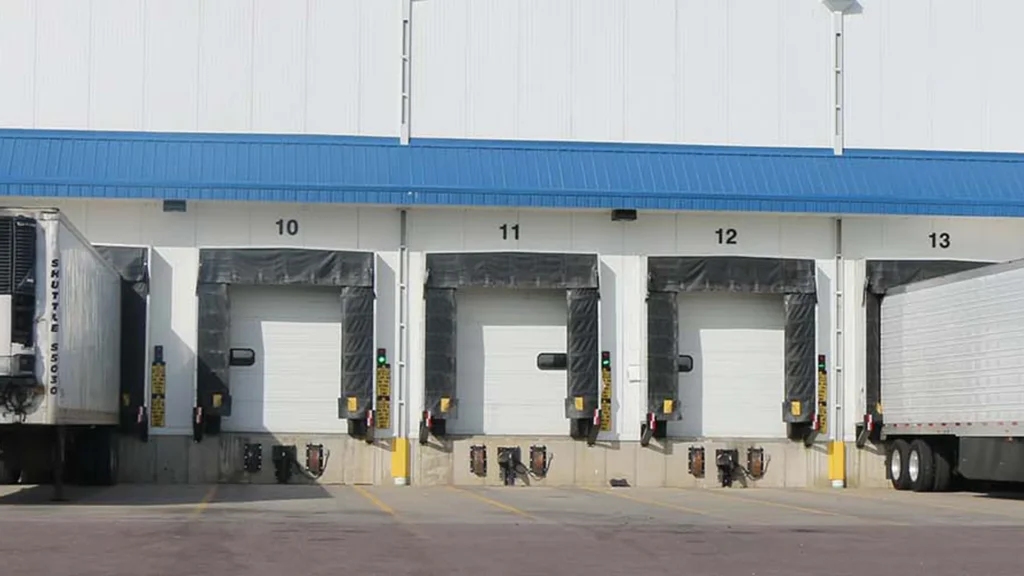
Loading dock equipment improves safety and throughput by bridging trucks to the facility, controlling environmental exchange, and protecting workers and goods during transfer. Common components include hydraulic or mechanical pit levelers, dock seals and shelters, and dock bumpers and lighting to guide safe truck positioning. Properly integrated dock equipment reduces slips, product damage, and HVAC losses while speeding loading cycles and supporting ergonomic workflows. Coordinating dock equipment with door selection and operator controls ensures repeatable, reliable dock performance for logistics-heavy operations.
Key dock solutions and their primary benefits include:
- Hydraulic Pit Levelers: Smooth, adjustable bridging for different truck heights and reduced maintenance under heavy use.
- Dock Seals and Shelters: Tighter seals to cut air exchange, keep out pests, and protect goods from dust and heat.
- Mechanical Levelers: Lower-cost, durable bridging for moderate-use docks.
Specify equipment to match expected load capacities and usage profiles so you avoid mismatches that increase maintenance. The table below contrasts common dock equipment and their operational roles.
| Dock Equipment | Capacity / Use Case | Safety Feature |
|---|---|---|
| Hydraulic Pit Leveler | High-volume docks, heavy loads | Smooth lift, less shock to cargo |
| Mechanical Leveler | Medium use, budget-conscious | Durable ramps, simpler maintenance |
| Dock Seal / Shelter | All dock types | Reduces air exchange and pests |
Choosing properly rated dock elements reduces repairs and helps align operator settings with expected throughput and safety goals.
How Do Hydraulic Pit Levelers and Dock Seals Improve Facility Safety?
Hydraulic pit levelers use pressurized cylinders to raise and lower the lip and deck smoothly, keeping consistent contact with the truck bed and reducing impact forces that damage cargo or cause slips. Their controlled motion lowers shock loading on forklifts and pallets, and built-in safety features such as toe guards and velocity fuses prevent uncontrolled descent. Dock seals and shelters create a tight barrier that limits heat gain, dust intrusion, and pest access — protecting product integrity and improving worker comfort in extreme temperatures. Regular inspection for hydraulic leaks, lip wear, and foam compression keeps the loading interface safe and reduces surprise downtime.
For on-call support and installations covering dock equipment and commercial doors, Overhead Door Company of The Desert™ provides local service, certified technicians, and 24/7 emergency assistance for urgent failures (additional fee applies). Working with a single provider that coordinates doors and dock systems simplifies troubleshooting and ensures factory-trained personnel service compatible components.
This operational focus links product selection, routine maintenance, and emergency readiness so facilities maintain safe, efficient loading operations in Coachella Valley.
Frequently Asked Questions
What factors should I consider when choosing a commercial garage door for my business?
Think about your core needs: security, insulation, fire protection, cycle speed, and durability. Consider your climate — insulated doors reduce heat gain in Coachella Valley — and evaluate material, warranty support, and maintenance requirements. Match door features to your operations so you don’t pay for unnecessary extras.
How often should commercial garage doors be maintained?
Inspect and maintain commercial doors at least twice a year as a baseline; high-use sites should schedule more frequent checks. Typical maintenance includes lubricating moving parts, testing safety features, and inspecting seals and hardware. A regular service cadence prevents surprises and keeps repair costs down.
What are the signs that my commercial garage door needs repair?
Look for unusual noises, slow or jerky movement, misalignment, visible panel or track damage, or doors that fail to fully open or close. Nonworking safety sensors are also a red flag. Address these issues promptly to avoid larger failures and safety risks.
Can I install a commercial garage door myself, or should I hire a professional?
Commercial door installation requires structural knowledge, code compliance, and correct operator setup. For safety and long-term reliability, hire a professional installer. Proper installation minimizes future issues and helps ensure compliance with local regulations.
What are the benefits of having a service agreement for garage door maintenance?
A service agreement gives you prioritized response in emergencies, scheduled inspections, and preventive maintenance that extends door life. Agreements often include parts and labor discounts and offer predictable budgeting — and they give you peace of mind that downtime will be addressed quickly.
How do I choose the right loading dock equipment for my facility?
Assess vehicle types, throughput volume, and safety needs. For high-volume docks, consider hydraulic levelers; for energy control, add dock seals or shelters. Match equipment capacity to expected loads and plan for maintenance so your dock keeps pace with operations.
What should I do in case of a garage door emergency?
First, secure the area and protect personnel. Do not force the door. If the door creates a safety hazard, shut off power to the operator if it’s safe to do so and call a professional repair service immediately. Keep your emergency service contact handy — many providers offer 24/7 response to minimize downtime.
Conclusion
Choosing the right commercial garage door solutions in Coachella Valley improves efficiency, security, and safety across industries. Proper installation, timely repairs, and the correct door and dock equipment reduce downtime and long-term costs. If you’d like help evaluating options or scheduling a site survey, contact Overhead Door Company of The Desert™ — we’ll help you find a reliable, code-compliant solution that keeps your facility running.