

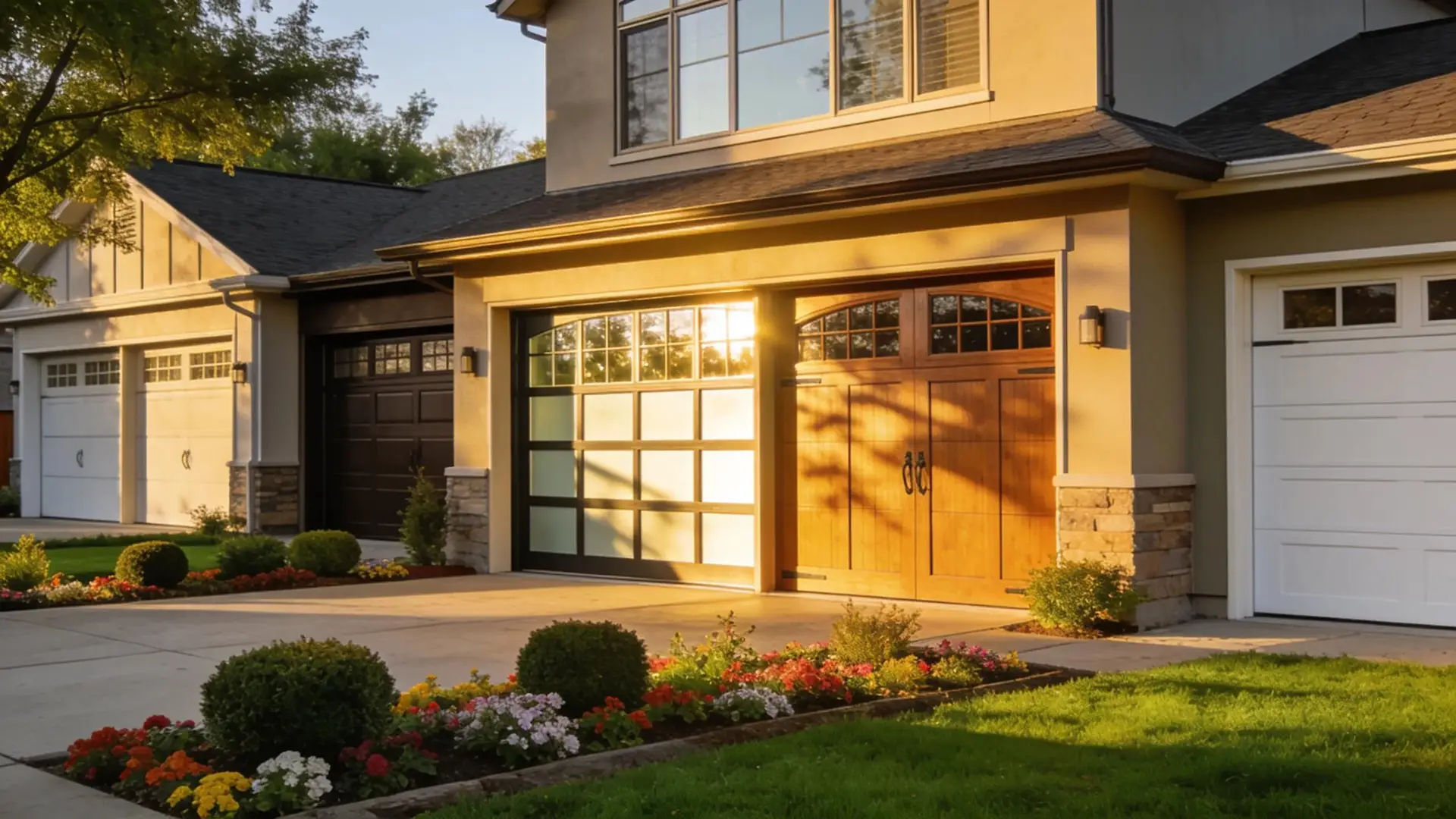
Get Expert Tips for Residential Garage Door Replacement: Cost, Types, and Maintenance Guidance
Replacing a residential garage door influences curb appeal, security, and energy performance. This guide summarises the technical and financial considerations homeowners need: cost drivers, common door types, and practical maintenance advice to support informed decisions. For expert installation and service, consider the trusted expertise of the Overhead Door Company of The Desert™.
Residential Garage Door Replacement: Comprehensive Guide
Replacement involves removing the old door and installing a new unit. Choose a configuration and material that meet security, insulation, and aesthetic goals, and verify the installation scope to match those objectives.
Cost Considerations:
Budgeting requires assessing material, installation complexity, and whether you hire professionals or DIY. Typical professional installation ranges from $800 to $1,500 depending on size, material, technology, and custom features. Additional expenses may include springs, tracks, or rollers.
- Material Costs: Steel, wood, fiberglass, and aluminum differ in price and upkeep; steel is often the most affordable.
- Installation Choices: DIY saves labor but professionals ensure safety and code compliance.
- Hidden Expenses: Expect possible costs for springs, tracks, rollers, or operator upgrades.
Use these ranges to align choices with your budget and performance needs.
Types of Garage Doors Available:
Door configuration affects durability, maintenance, and curb appeal. Common residential types are listed below with concise notes to aid selection.
- Steel Garage Doors: Affordable and durable; moderate maintenance and dent risk.
- Wood Garage Doors: High aesthetic value and customisable; require regular finishing and care.
- Aluminum Garage Doors: Lightweight and corrosion-resistant, suitable for coastal climates.
- Fiberglass Garage Doors: Good insulation and rust resistance; mimic wood with lower upkeep.
Steel Garage Doors
Steel doors are resilient and cost-effective; repair dents as needed and keep routine maintenance minimal.
Wood Garage Doors
Wood doors offer classic style but need scheduled staining or painting to prevent weather damage.
Essential Maintenance Guidance:
Regular maintenance preserves reliability and extends service life. A few straightforward tasks reduce the chance of major repairs.
- Routine Inspections: Check springs, tracks, cables, and sensors for wear or misalignment.
- Lubrication: Lubricate moving parts to reduce friction and noise.
- Cleaning: Remove dirt and debris to protect finishes and seals.
What Are the Key Cost Factors in Residential Garage Door Replacement?
Material, installation complexity, and optional features are the primary cost drivers; understanding them helps you balance upfront cost and long-term value.
How Does Garage Door Installation Cost Vary by Material and Design?
Custom or insulated designs increase material and labor costs compared with standard models, so factor design complexity into estimates.
What Budget Should Homeowners Plan for Professional Installation Services?
Plan approximately $800–$1,500 for professional installation; obtain multiple written estimates to compare scope and warranties. The Overhead Door Company of The Desert™ offers competitive quotes and experienced installers to ensure quality workmanship.
Which Garage Door Types and Materials Are Best Suited for Residential Homes?
Choose based on local climate, architectural style, and maintenance willingness—fiberglass for corrosion resistance, steel for security, wood for aesthetics.
What Are the Advantages and Disadvantages of Steel, Wood, Aluminum, and Fiberglass Doors?
Steel: economical and durable; Wood: attractive but maintenance-heavy; Aluminum: light and corrosion-resistant; Fiberglass: insulated and low-corrosion but temperature-sensitive.
How Do Energy Efficient Garage Doors Contribute to Cost Savings and Comfort?
Insulated doors and tight seals reduce thermal transfer, improving comfort and lowering heating or cooling loads for adjacent spaces.
What Are the Essential Steps for a Safe and Efficient Garage Door Replacement?
Assess the opening and structure, specify materials and insulation, and ensure installation follows safety standards and local codes.
What Is the Standard Installation Process for Residential Garage Doors?
Installation typically includes removal of the old door, mounting the new panels, fitting springs and tracks, installing the operator, and final safety testing.
Can Homeowners Perform DIY Replacement or Should They Hire Professionals?
Experienced DIYers can handle some projects, but professional installation is recommended for torsion-spring systems, operators, and code compliance.
How Should Homeowners Maintain and Repair New Residential Garage Doors?
Perform periodic inspections, keep moving parts lubricated, check track alignment, and schedule annual professional inspections for safety-critical components.
What Are Common Garage Door Repair Tips to Extend Lifespan?
Follow a routine maintenance schedule: lubricate, clean tracks, align sensors, and address unusual noises or misalignment promptly.
How Do Smart Security Features Enhance Garage Door Safety?
Smart features enable remote access, monitoring, and alerts; they add convenience and situational awareness, though at some additional cost.
Frequently Asked Questions
What are the typical signs that indicate a garage door needs replacement?
Persistent operational difficulty, loud noises, visible structural damage, or poor insulation indicate replacement should be evaluated.
How long does a typical garage door last before needing replacement?
Service life commonly ranges 15–30 years depending on material and maintenance; regular care can extend lifespan.
What options exist for customizing garage doors?
Customisation includes styles, colours, finishes, decorative hardware, window inserts, panel choices, insulation packages, and operator options.
How can energy efficiency be improved in a garage door?
Specify higher R-value insulation, install proper weather seals and perimeter stripping, and choose efficient operators to reduce energy transfer.
What maintenance tasks should homeowners prioritize to prolong garage door durability?
Prioritise balance testing, tightening hardware, lubrication, seal inspection, and annual professional checks.
Are smart garage door systems worth investing in?
Smart systems add remote control, video integration, and alerts; they are a valuable security and convenience upgrade for many homeowners.
Residential Garage Door Replacement: Expert Planning Guide
Choosing the right garage door balances appearance, security, and energy performance. Understand material trade-offs and costs, plan for proper installation, and keep a regular maintenance routine to protect your investment and ensure reliable operation.