

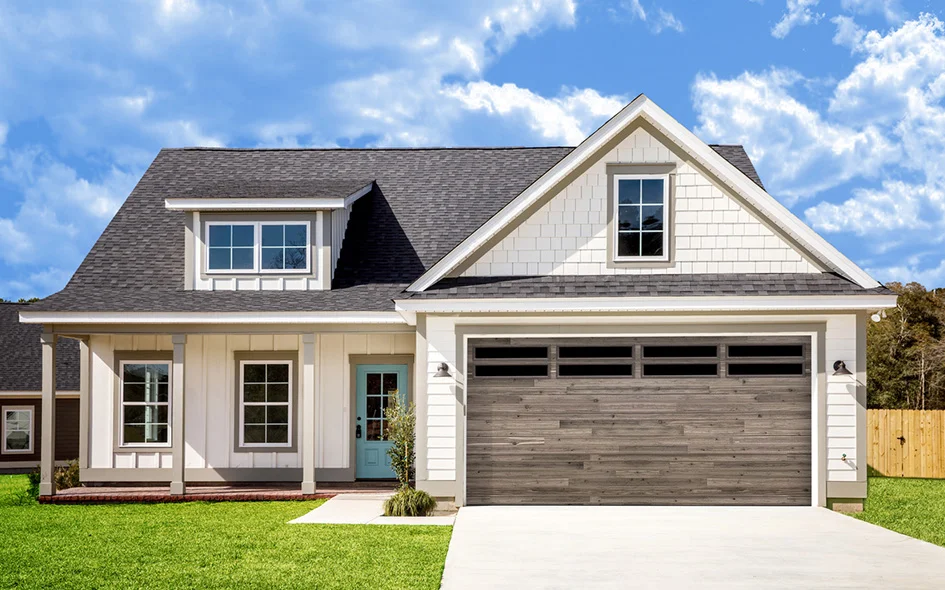
Best Garage Doors for Your Home Explained: Comprehensive Guide to Types, Installation, and Features
Selecting an appropriate garage door affects both operational performance and exterior presentation. Garage doors differ by style, construction material, and integrated features; each configuration delivers specific technical and aesthetic benefits. This guide examines common door types, the installation workflow, maintenance obligations, energy performance considerations, smart-technology integration, and cost factors to support an informed selection that preserves property value and functionality.
What Are the Different Types of Garage Doors Available?
Garage doors are available in several types, each with distinct characteristics and advantages. The most common types include:
- Steel Garage Doors: Known for their durability and low maintenance, steel doors are resistant to dents and rust. They can be insulated for energy efficiency and come in various styles and gauges.
- Wood Garage Doors: Offering a classic aesthetic, wood doors provide excellent insulation but require regular maintenance to prevent warping and decay.
- Vinyl Garage Doors: These doors are lightweight, resistant to dents, and require minimal maintenance. They are available in various colors and styles, making them a versatile choice.
- Aluminum Garage Doors: Lightweight and resistant to rust, aluminum doors are often used in modern design but may be less durable in areas prone to impact damage.
- Fiberglass Garage Doors: These doors are resistant to salt air and corrosion, ideal for coastal regions, and offer various styles, although they may yellow over time with sun exposure.
Each door type offers measurable advantages; selection should align with performance requirements, maintenance capacity, and design objectives. Overhead Door Company of The Desert™ supplies residential garage door products and services engineered for durability and suitability in desert environments.
How Is the Garage Door Installation Process Conducted?
Installation requires a sequence of controlled steps to ensure operational reliability and code-compliant safety. The standard procedure addresses site measurement, component selection, mechanical assembly, and system calibration.
- Preparation: This involves measuring the garage opening and selecting the appropriate door size and type. It’s essential to ensure that the area is clear and accessible for installation.
- Installation: The installation process includes assembling the door panels, attaching the tracks, and installing the opener. Proper alignment is crucial for smooth operation.
- Testing: After installation, the door should be tested to ensure it opens and closes correctly. Safety features, such as auto-reverse mechanisms, should also be checked.
Retention of manufacturer specifications and adherence to safety standards are essential. Professional installation is recommended to verify correct fitment and to validate safety mechanisms. Overhead Door Company of The Desert™ provides certified installation services to ensure compliant and reliable operation.
What Are the Steps Involved in Professional Garage Door Installation?
Professional installation follows a methodical protocol to mitigate risk and verify performance. The procedure includes implementing safety controls, utilising specialised tools, and completing operational testing within an expected timeframe.
- Safety Measures: Technicians follow strict safety protocols to prevent accidents during installation, including wearing protective gear and handling springs with care.
- Tools Required: Essential tools include drills, wrenches, levels, pliers, and spring tensioning equipment to ensure accurate installation.
- Timeframe for Installation: Most installations can be completed within 3 to 5 hours, depending on the complexity of the door and the existing structure.
How Much Does Garage Door Installation Typically Cost?
The cost of garage door installation can vary based on several factors, including:
- Average Installation Costs: On average, installation costs range from $350 to $1,200, depending on the door type, complexity, and local labor rates.
- Factors Affecting Pricing: Additional costs may arise from custom features, insulation, the need for structural modifications, or the removal and disposal of an old door.
- Potential Financing Options: Many companies, including Overhead Door Company of The Desert™, offer financing plans to help homeowners manage installation costs.
What Are Essential Maintenance and Safety Tips for Garage Doors?
Regular maintenance is crucial for ensuring the longevity and safety of your garage door. Here are some essential tips:
- Regular Maintenance Tasks: Inspect the door and its components regularly for signs of wear and tear. Lubricate moving parts such as rollers, hinges, and springs to ensure smooth operation.
- Safety Precautions During Operation: Always keep the garage door area clear of obstructions and ensure children and pets are at a safe distance when operating the door. Test auto-reverse features monthly.
- Signs of Wear to Look For: Be vigilant for unusual noises, slow operation, misalignment, frayed cables, or cracked springs, which may indicate the need for repairs.
Selecting the Ideal Garage Door: A Guide to Styles and Features
Energy-efficient doors reduce heat transfer, contribute to lower utility expenditures, and improve habitable-space comfort. Insulation status is a quantifiable factor in thermal performance and environmental impact.
- Energy Savings: Insulated garage doors help maintain a stable temperature, reducing heating and cooling costs.
- Improved Comfort: A well-insulated garage can enhance the comfort of adjacent living spaces by minimizing temperature fluctuations.
- Environmental Impact: Energy-efficient doors contribute to lower energy consumption, reducing your carbon footprint.
How Does Insulation Improve Home Energy Savings and Comfort?
Insulation reduces conductive and convective heat exchange, stabilising ambient conditions and decreasing HVAC load. This yields measurable reductions in energy consumption and improved thermal comfort.
- Temperature Regulation: Insulated doors prevent heat loss in winter and keep the garage cooler in summer.
- Impact on HVAC Systems: A stable garage temperature can reduce the workload on your HVAC system, leading to lower energy bills.
- Long-term Savings: Investing in an insulated garage door can lead to significant savings over time.
Which Insulation Ratings and Features Are Recommended for Desert Climates?
For desert environments, select insulation and materials that address large diurnal temperature shifts and high solar exposure. Prioritise thermal resistance, UV stability, and material longevity.
- Recommended R-values: Look for doors with an R-value between 6 and 12 for effective insulation, considering the high temperature variations.
- Material Types: Polystyrene and polyurethane foam are excellent choices for insulation due to their high thermal resistance and durability.
- Durability Considerations: Ensure that the door materials can withstand extreme temperatures, UV exposure, and low humidity common in desert environments. UV-resistant coatings are beneficial.
How Do Smart Garage Door Openers and Automation Enhance Security and Convenience?
Smart openers provide remote operation, event logging, and integration capabilities that strengthen access control and operational convenience. These systems often employ encrypted communications and authentication measures to protect access.
Further research indicates that these systems are engineered to provide secure and convenient access via mobile applications and established security protocols.
Smart Garage Systems: Enhanced Security & Remote Control
The cited smart garage system integrates secure remote-control functionality to improve user access and system reliability. The associated mobile application is implemented using React Native and includes authentication workflows (login and signup), direct door control, and one-time password (OTP) generation to support secure access. The system is described as enhancing security, convenience, and operational dependability for residential users.
Design and Implementation of a Lightweight Smart Garage System: A Cost-Effective Approach, M Parmar, 2025
- Remote Control Features: Users can operate their garage door from anywhere using a smartphone app, providing added convenience and control.
- Integration with Home Security Systems: Smart openers can be integrated with existing security systems for enhanced monitoring and control.
- Convenience of Automation: Automation features, such as scheduled opening and closing, add an extra layer of convenience for homeowners.
What Features Should You Look for in Automated Garage Door Openers?
When selecting a smart garage door opener, consider the following features:
- Control Options: Look for openers that offer multiple control options, including smartphone apps, keypads, remotes, and voice commands.
- Security Features: Ensure the opener has robust security features, such as rolling code technology, encryption, and two-factor authentication.
- Ease of Installation: Choose models that are easy to install and compatible with existing garage door systems.
How Does Automation Integrate with Home Security Systems?
Integration enables real‑time notifications, conditional automation based on location, and coordinated monitoring with cameras and alarm systems. These capabilities support situational awareness and incident response.
- Real-Time Notifications: Homeowners receive alerts when the garage door is opened or closed, enhancing security.
- Geofencing Capabilities: Some systems can automatically close the garage door when the homeowner leaves a designated area.
- Enhanced Security Measures: Integration with security cameras allows for monitoring of the garage area, providing peace of mind.
What Cost Considerations and Financing Options Are Available for Garage Doors?
Budget planning should account for material selection, insulation level, automation features, installation complexity, and applicable warranty terms. These variables determine total lifecycle cost and return on investment.
- Factors Affecting Cost: The type of door, materials, insulation, automation features, and installation complexity can significantly impact the overall price.
- Financing Options Available: Overhead Door Company of The Desert™ offers various financing plans to help homeowners manage the costs of purchasing and installing garage doors.
- Warranty Considerations: Many garage doors come with warranties that cover defects, parts, and labor for a specified period, providing additional value.
How Do Material and Feature Choices Affect Overall Garage Door Pricing?
The choice of materials and features can greatly influence the price of a garage door. Consider the following:
- Material Cost Differences: Steel doors are generally more affordable than wood doors, which require more maintenance but offer a premium aesthetic.
- Impact of Insulation: Insulated doors may have a higher upfront cost but can lead to long-term savings on energy bills and comfort.
- Custom Features Pricing: Additional features, such as windows, decorative hardware, smart openers, and custom colors, can increase the overall cost.
What Financing Plans and Warranties Does Overhead Door Company of The Desert™ Offer?
Overhead Door Company of The Desert™ offers financing alternatives and warranty provisions to address acquisition and service support requirements. Options are structured to distribute payment obligations and to cover product defects and service for specified durations.
- Subscription Model Details: Overhead Door Company of The Desert™ may offer financing plans that allow homeowners to spread the cost of their garage door installation over time.
- Warranty Coverage: Many garage doors come with warranties that cover parts and labor for 1 to 10 years, depending on the manufacturer and door type.
- Customer Support Options: Overhead Door Company of The Desert™ is committed to providing excellent customer support, ensuring that homeowners have access to assistance when needed.
For a comprehensive selection of residential products, visit residential garage doors at Overhead Door Company of The Desert™.
Frequently Asked Questions
What factors should I consider when choosing a garage door style?
Evaluate architectural compatibility, material performance, insulation properties, maintenance obligations, and security requirements. Select a style that meets functional needs while conforming to the property aesthetic and local building codes.
How can I improve the security of my garage door?
Strengthen security by installing a reinforced door and a smart opener with encrypted communication and authentication. Maintain mechanical components and implement integrated monitoring with the home security system for verified alerts and recorded events.
What are the common signs that my garage door needs repair?
Indicators of required repair include abnormal noises, delayed or uneven movement, misalignment, frayed cables, and damaged springs. Prompt inspection and remediation reduce risk and prevent escalation.
How often should I perform maintenance on my garage door?
Conduct a comprehensive inspection at least twice per year, including balance checks, lubrication of moving parts, and examination of cables and springs. Monthly test of safety features, such as auto-reverse, is recommended to ensure operational safety.
What are the advantages of insulated garage doors?
Insulated doors improve thermal efficiency, reduce noise transmission, lessen HVAC load, and enhance occupant comfort. These benefits frequently translate into measurable energy savings in extreme climates.
Can I install a garage door myself, or should I hire a professional?
Due to the weight, spring tension, and technical requirements, professional installation is recommended to ensure compliance with safety standards and manufacturer instructions. Certified installers mitigate risk and verify correct system operation.
What financing options are available for purchasing a garage door?
Financing options commonly include payment plans, low-interest loans, and promotional offers. Review terms, interest rates, and repayment schedules prior to commitment. Overhead Door Company of The Desert™ provides specific financing programs; consult their sales team for details.
Conclusion
A compliant, well-specified garage door enhances utility, security, and curb appeal. Assess material, insulation, automation, and installation options against performance and budget criteria to determine the appropriate solution. For product selection and professional services, contact Overhead Door Company of The Desert™ to identify a door system matched to your requirements.